
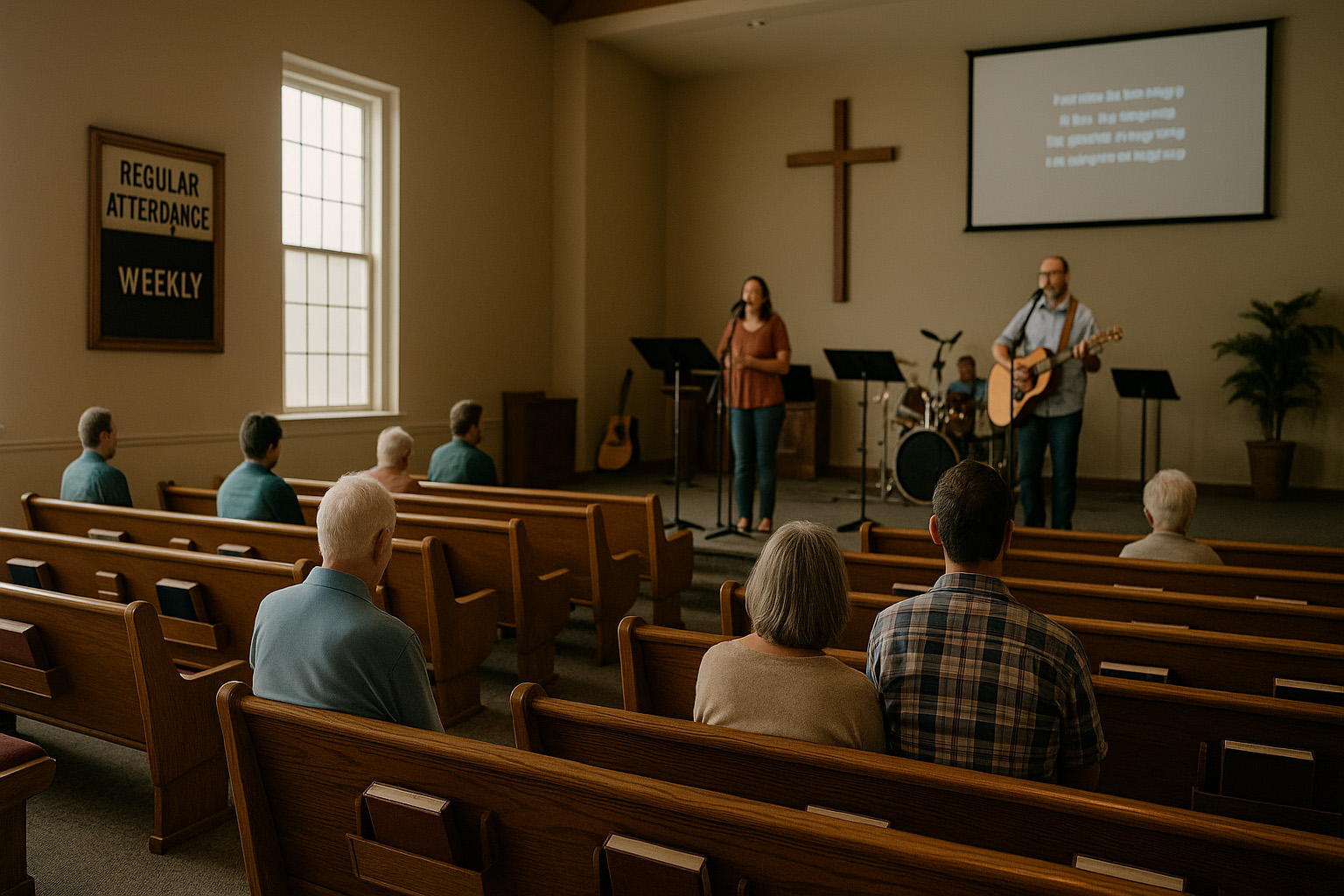
Recovery can require courage long before a person feels ready to make a major change. For Edmonton residents facing addiction, mental health challenges, grief, family difficulties, or other stressful circumstances, simply continuing to show up for healthy activities can become an important part of healing. Regular church attendance offers more than a place to worship. It can provide community, structure, encouragement, spiritual connection, and opportunities to build relationships that support emotional wellbeing. When church involvement is combined with appropriate professional addiction treatment and mental health care, it can become a meaningful part of a holistic recovery journey.
Why Showing Up Matters During Recovery
Addiction can gradually affect nearly every area of life. Relationships may become strained, routines can become unpredictable, and activities that once brought meaning may be pushed aside.
Recovery requires rebuilding those areas one step at a time.
Regular attendance at church can provide a dependable point of connection. Even when someone is struggling with motivation, attending a familiar service can create an opportunity to leave isolation behind and spend time in a positive environment.
Consistency Creates Structure
Healthy routines can be especially important during addiction recovery. When substance use has disrupted a person’s daily schedule, establishing predictable activities can help restore stability.
Church attendance can become one part of that routine. A regular service provides a consistent commitment each week, while fellowship, volunteering, prayer, and community activities can create additional opportunities for positive engagement.
This structure does not replace addiction treatment. Instead, it can complement counseling, medical care, peer support, and other recovery services.
Showing Up Can Build Momentum
People often wait to feel motivated before taking action. In recovery, the opposite can sometimes be more helpful. Taking a healthy action can create momentum that makes the next positive decision easier.
Attending church when you are having a difficult week may not immediately change how you feel. However, it can put you in an environment where encouragement and connection are available.
Over time, these small decisions can become part of a healthier lifestyle.
Church Attendance Can Reduce Isolation
Isolation is a common challenge for people dealing with addiction and emotional distress. Shame, anxiety, depression, or damaged relationships can make it tempting to withdraw from other people.
Unfortunately, prolonged isolation can make recovery more difficult.
Finding Connection Without Pressure
Church attendance allows people to reconnect with others at their own pace. Someone does not have to immediately share personal struggles or explain their entire recovery journey.
A simple greeting, conversation, or shared activity can be enough to begin rebuilding social confidence.
As familiarity grows, individuals may feel more comfortable developing deeper relationships with trusted members of the community.
Building a Sense of Belonging
A sense of belonging can be powerful during recovery. Addiction can sometimes cause people to define themselves by their mistakes or struggles.
A healthy faith community can provide opportunities to see life from a broader perspective.
Being welcomed, valued, and encouraged can help individuals reconnect with positive aspects of their identity. They can begin to see themselves not simply as someone recovering from addiction, but as a person with relationships, abilities, responsibilities, values, and a future.
How Church Attendance Supports Emotional Wellbeing
Mental health is an important part of lasting recovery. Anxiety, depression, trauma, chronic stress, and other emotional concerns can affect substance use and make it harder to maintain healthy changes.
For people who value faith, church attendance can provide additional emotional and spiritual support.
Creating Space for Reflection
Modern life can move quickly. Work, family responsibilities, financial concerns, and personal problems can leave little time for reflection.
Church services can create an opportunity to slow down and focus on faith, values, gratitude, and personal growth.
Prayer, worship, scripture, and quiet reflection may help individuals process difficult experiences and reconnect with what matters most to them.
Encouraging Hope
Hope is an important part of emotional healing. Someone who has experienced repeated setbacks may begin to believe that their circumstances cannot change.
Faith can provide encouragement during these moments.
For many people, spiritual beliefs offer a reminder that difficult seasons do not have to define the future. This sense of hope can encourage individuals to continue seeking treatment, repairing relationships, and making healthier decisions.
Faith Can Complement Professional Addiction Treatment
Church attendance can play a valuable role in recovery, but it should not replace professional addiction or mental health treatment.
Addiction is a complex condition that may involve physical dependence, psychological factors, behavioral patterns, trauma, and co-occurring mental health concerns. Effective care should address these needs appropriately.
Individualized Treatment Matters
There is no single recovery plan that works for everyone.
One person may need intensive support for substance use, while another may benefit from outpatient counseling and ongoing recovery services. Someone else may need treatment that addresses both addiction and a mental health condition.
Individualized care takes these differences into account.
Faith and church community can then become part of the person’s broader support system, especially when spiritual connection is important to their values and goals.
Inpatient Care Can Provide a Stable Environment
Some individuals need the structure of inpatient treatment when beginning recovery. A more controlled environment can provide intensive support while helping a person step away from immediate triggers and unhealthy patterns.
During this period, spiritual practices may offer an additional source of reflection and encouragement when appropriate.
The goal is to support the whole person while professional treatment addresses the clinical aspects of recovery.
Outpatient Care Can Help Maintain Progress
Outpatient treatment can provide continued professional support while individuals return to everyday responsibilities.
This stage may include counseling, recovery planning, mental health support, and other services based on individual needs.
Regular church attendance can provide an additional source of community during this transition. Maintaining positive relationships and healthy routines can be particularly helpful as individuals apply recovery skills to everyday situations.
Church Community Can Strengthen Accountability
Recovery requires personal responsibility, but nobody benefits from facing every challenge alone.
Healthy accountability involves people who encourage progress without relying on shame or judgment.
Trusted Relationships Can Make a Difference
A trusted friend, church leader, mentor, or family member can provide encouragement during difficult moments.
They may notice when someone is struggling and encourage them to seek additional support. They can also celebrate progress and remind individuals of the reasons they began their recovery journey.
This type of relationship can complement professional care while providing connection between formal treatment sessions.
Community Can Encourage Healthier Choices
The environment around a person can influence daily decisions. Spending time with people who support healthy goals can make it easier to maintain positive habits.
Church activities can provide opportunities to replace unhealthy patterns with constructive experiences, including volunteering, fellowship, group activities, and service.
These experiences can help individuals discover meaningful ways to spend their time while strengthening social connections.
Practical Ways to Make Church Attendance Part of Recovery
If you are considering church attendance as part of your recovery or emotional wellbeing plan, start with realistic steps.
Choose Consistency Over Perfection
You do not need to attend every activity immediately. Start with a regular service and build from there.
The goal is to create a sustainable routine rather than another source of pressure.
Introduce Yourself to Someone
If you feel comfortable, speak with a church leader or another member after a service. You can keep the conversation simple.
Building relationships takes time. One conversation can become the beginning of a valuable connection.
Participate When You Are Ready
Consider joining a group, volunteering, or attending a community activity when it feels appropriate.
Active participation can create more opportunities to develop relationships and find a sense of purpose.
Keep Professional Support in Place
If you are receiving addiction or mental health treatment, continue following your professional care plan.
Church attendance can provide spiritual and social support, while qualified professionals address clinical needs. These forms of support can work together as part of a holistic approach.
Recovery Is About More Than Avoiding Substances
Long term recovery involves building a life that gives a person reasons to continue choosing health.
That may include repairing relationships, improving mental health, finding meaningful work, developing healthy routines, strengthening faith, and becoming part of a supportive community.
Church attendance can contribute to several of these areas.
It can provide a place to connect with others, reflect on personal values, participate in meaningful activities, and receive encouragement during difficult periods.
Most importantly, it can remind people that recovery does not have to happen in isolation.
Conclusion: Keep Showing Up for Your Health and Your Future
Showing up matters because recovery is built through consistent choices. One service may not solve an addiction or resolve a mental health challenge, but regularly choosing connection, community, faith, and healthy routines can contribute to meaningful long term change.
For Edmonton residents facing addiction or emotional difficulties, church attendance can be one valuable part of a larger recovery support system. When combined with individualized addiction treatment, mental health care, and appropriate inpatient or outpatient services, faith and community can help address the whole person.
If you or someone you love is struggling, consider taking one step today. Attend a church service, talk with someone you trust, or reach out to a qualified professional for support.
You do not have to have everything figured out before you ask for help. Sometimes, healing begins by simply showing up and taking the next healthy step.