
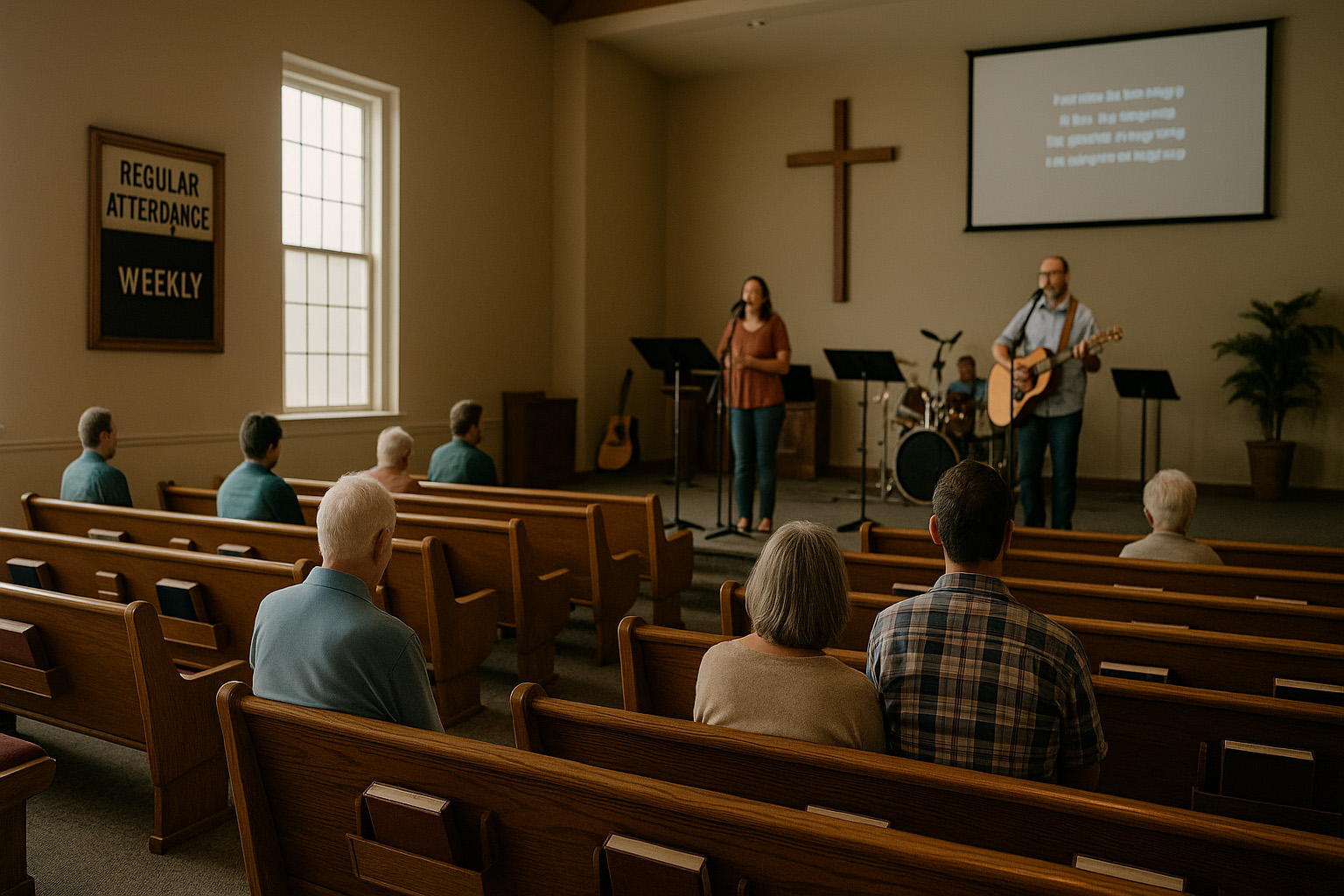
Church attendance can offer Edmonton residents more than a place to worship. It can provide a sense of belonging, emotional encouragement, meaningful relationships, and a supportive environment for personal growth. For individuals facing addiction, mental health challenges, grief, or major life changes, regular involvement in a church community can become an important part of rebuilding stability and hope. Although attending church is not a substitute for professional treatment, faith and fellowship can complement addiction recovery and mental health care by helping people feel connected, supported, and encouraged as they move forward.
How Church Attendance Supports Personal Growth and Recovery
Recovery often involves more than addressing symptoms or stopping harmful behaviours. It also means rebuilding relationships, developing healthy routines, and discovering a renewed sense of purpose. Church attendance can help Edmonton residents work toward these goals by creating opportunities to connect with others and participate in a community that values personal growth.
Building a Sense of Belonging
Feelings of loneliness and isolation can make emotional difficulties more challenging. People experiencing addiction may withdraw from friends and family because of shame, conflict, or fear of judgment. Similarly, individuals dealing with anxiety or depression may find it difficult to maintain social connections.
A welcoming church community can offer a place to begin reconnecting. Regular services, small groups, volunteer activities, and informal conversations give people opportunities to form relationships at a comfortable pace.
Feeling accepted can also make it easier to ask for help. When individuals know they have people willing to listen, they may feel less alone while working through personal challenges.
Creating Structure and Healthy Routines
Consistency can be especially valuable during addiction recovery. Substance use can disrupt sleep, responsibilities, relationships, and daily schedules. Establishing healthier routines helps individuals regain a sense of control over their lives.
Attending church regularly can provide a meaningful point of structure throughout the week. Worship services, study groups, community events, and volunteer commitments offer positive activities that encourage participation and accountability.
These routines do not need to replace other recovery practices. Instead, they can complement counselling, treatment appointments, support groups, exercise, and other habits that promote long-term wellbeing.
The Role of Church Attendance in Addiction Recovery
Addiction can affect physical health, emotional stability, family relationships, and spiritual wellbeing. Effective recovery therefore requires attention to the different areas of a person’s life. For some Edmonton residents, faith-based support can provide an additional source of encouragement throughout this process.
Finding Hope During Difficult Moments
Recovery rarely follows a perfectly straight path. Individuals may experience cravings, difficult emotions, relationship problems, or uncertainty about the future. During these periods, having a source of hope can help them remain focused on their goals.
Prayer, scripture, worship, and spiritual reflection may help people explore questions about forgiveness, responsibility, purpose, and personal change. These practices can offer comfort while encouraging individuals to take practical steps toward healthier choices.
Faith can also help people recognize that a difficult day does not define their entire recovery journey. Progress may involve learning from setbacks, strengthening coping skills, and continuing to seek appropriate support.
Strengthening Accountability Through Community
Supportive relationships can encourage individuals to follow through on recovery goals. Church communities may provide opportunities to develop friendships with people who encourage honesty, responsibility, and healthy decision-making.
For example, someone working to rebuild trust with family members might benefit from a trusted mentor who offers encouragement without judgment. Another person may find purpose through volunteering or participating in a community activity.
However, accountability should always be respectful and appropriate. Spiritual leaders and church members can offer companionship and encouragement, but addiction treatment, clinical assessment, and professional guidance remain important when substance use concerns require specialized care.
Supporting Mental Health Through Faith and Fellowship
Mental health challenges can affect how people think, feel, communicate, and manage everyday responsibilities. While church attendance cannot prevent or treat every mental health condition on its own, a supportive faith community may help reduce isolation and strengthen emotional resilience.
Making Space for Honest Conversations
Many people hesitate to discuss anxiety, depression, trauma, or addiction because they worry about being misunderstood. A healthy church environment can help create opportunities for honest conversations about life’s challenges.
Listening without judgment is especially important. People benefit when they can share their experiences without feeling pressured to hide their struggles or present themselves as having everything under control.
Church leaders and members can help by responding with patience, respecting personal boundaries, and encouraging professional support when needed. They should also recognize that mental health conditions are not simply signs of weak faith or insufficient effort.
Finding Comfort Through Spiritual Practices
Spiritual practices can give individuals time to pause, reflect, and reconnect with their values. Prayer may help someone express difficult emotions, while worship or scripture reading may offer reassurance during uncertain periods.
Some people also find meaning through gratitude, meditation, quiet reflection, or service to others. These activities may complement strategies learned in counselling, including stress management, emotional awareness, and healthy coping skills.
The most helpful approach is one that respects each person’s beliefs, needs, and preferences. Spiritual support should encourage healing without creating guilt or suggesting that faith alone can resolve every mental health concern.
Combining Faith-Based Support With Professional Treatment
Church attendance can be a valuable part of a broader recovery plan, but individuals experiencing addiction or significant mental health symptoms may need specialized treatment. Combining spiritual support with professional care can address different aspects of wellbeing.
Understanding Inpatient and Outpatient Care
The appropriate level of addiction treatment depends on a person’s symptoms, substance use history, physical health, safety needs, and available support.
Inpatient treatment provides a structured setting where individuals can receive intensive support and focus on recovery away from some of their usual triggers. Depending on the program, care may include medical oversight, therapy, recovery education, and personalized planning.
Outpatient treatment allows individuals to attend scheduled treatment sessions while continuing to manage responsibilities at home, work, or school. Some outpatient programs offer more intensive support than standard weekly appointments.
People who need medically supervised withdrawal should seek an appropriate medical assessment. Church attendance and informal support are not substitutes for medical detoxification when withdrawal may be dangerous.
Church involvement can complement either level of care by providing social connection and spiritual encouragement. With the individual’s permission, faith leaders may also support their recovery goals while respecting treatment recommendations and privacy.
Choosing an Individualized Approach
No two recovery journeys are identical. Some individuals draw strength from Christian teachings and regular worship, while others may prefer private reflection or a different form of community support.
An individualized plan should consider the person’s health needs, personal values, cultural background, family circumstances, and recovery goals. Professional counselling, medical care, peer support, healthy routines, and faith-based practices can be combined according to what is appropriate and helpful.
The goal is not to follow a single formula. It is to develop a realistic plan that supports physical health, emotional wellbeing, meaningful relationships, and lasting personal growth.
Practical Ways Edmonton Residents Can Get More From Church Attendance
For individuals who want to reconnect with a faith community, small steps can make participation feel more manageable.
Start With a Comfortable Level of Involvement
Begin by attending a service or exploring a church’s community activities. There is no need to commit to every event immediately. Allow time to become familiar with the environment and identify opportunities that feel comfortable.
Build Genuine Relationships
Consider joining a small group, speaking with a trusted church leader, or participating in a volunteer activity. Meaningful relationships develop gradually, so focus on consistent, respectful connections rather than expecting immediate closeness.
Set Realistic Goals
A simple goal, such as attending a weekly service or contacting one supportive person, can help establish consistency. As confidence grows, additional activities may become easier to manage.
Keep Professional Support Part of the Plan
If addiction, depression, anxiety, or another mental health concern is affecting daily life, consider contacting a qualified healthcare professional. A trusted church community can help reduce isolation while professional support addresses clinical needs.
It is also important to choose a community that respects confidentiality, personal boundaries, and individual circumstances. People should feel encouraged to seek treatment rather than pressured to rely exclusively on spiritual practices.
Growing Beyond Recovery
Recovery is not only about moving away from harmful behaviours. It is also about developing a life that feels meaningful, connected, and sustainable. Church attendance may support this process by creating opportunities to serve others, strengthen relationships, explore personal values, and participate in something larger than individual struggles.
Over time, these experiences can help people recognize their strengths and develop a renewed sense of responsibility and purpose. Someone who once felt isolated may begin building friendships. A person rebuilding family relationships may discover healthier ways to communicate. Another individual may find satisfaction in volunteering or supporting others through community activities.
Growth does not mean that every challenge disappears. It means developing the resources, relationships, and coping strategies needed to respond to life’s difficulties more effectively.
Conclusion: Take the Next Step Toward Connection and Healing
For Edmonton residents, church attendance can offer meaningful opportunities to reconnect with others, strengthen emotional wellbeing, and find encouragement during addiction recovery. Through fellowship, spiritual reflection, healthy routines, and supportive relationships, individuals can begin rebuilding a sense of belonging and purpose.
At the same time, lasting recovery may require professional addiction treatment, mental health counselling, medical care, or other individualized services. Faith and professional support can work together to address the different dimensions of wellbeing.
If you or someone you love is struggling, consider taking one manageable step today. Reach out to a trusted person, explore a welcoming local church community, or speak with a qualified treatment provider about available options. Asking for help is a meaningful step toward a healthier future, and you do not have to face the journey alone.