
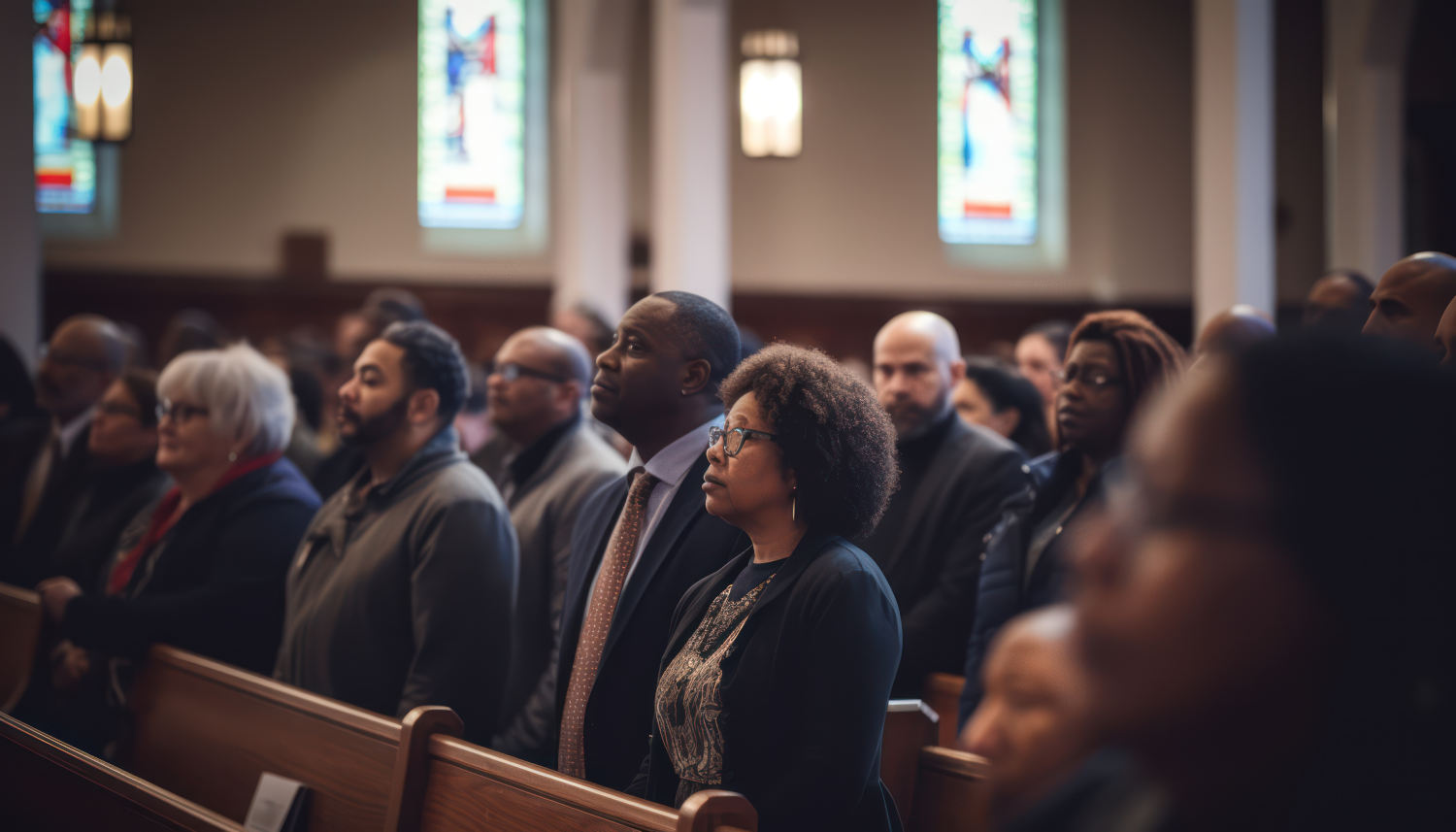
Recovery can feel lonely, especially when addiction or mental health challenges have disrupted relationships, routines, and a person’s sense of purpose. Professional treatment provides important tools for healing, but lasting recovery also depends on what happens between appointments and after formal treatment ends. For many Edmonton residents, regular church attendance can provide a valuable source of connection, encouragement, structure, and hope. At Edmonton Church, faith and fellowship are viewed as important parts of a holistic approach that can complement addiction recovery services, mental health treatment, and individualized care.
Why Connection Matters in Addiction Recovery
Addiction often affects much more than physical health. It can change family relationships, friendships, employment, confidence, and emotional wellbeing. Over time, people may withdraw from others because of shame, fear, or a desire to hide what they are experiencing.
That isolation can make recovery more difficult. A supportive community, however, can help individuals reconnect with others and begin rebuilding trust.
Breaking Through Isolation
Regular church attendance provides a consistent opportunity to be around people in a positive environment. A conversation after a service, participation in a group, or involvement in a community activity can create small moments of connection that gradually become meaningful relationships.
For someone who has spent months or years feeling isolated, simply knowing that there are people who care can make a significant difference.
Developing Healthy Relationships
Recovery is strengthened by healthy relationships. Supportive friends can encourage positive decisions, listen during difficult moments, and celebrate progress without defining someone by their past.
Church fellowship can provide opportunities to develop these relationships naturally. Individuals do not have to share their entire story immediately. Trust can develop gradually through regular interaction and shared experiences.
How Church Attendance Can Support Mental Wellbeing
Mental health and addiction frequently overlap. Anxiety, depression, trauma, and prolonged stress can complicate recovery, while substance use can create additional emotional challenges.
For this reason, emotional wellbeing deserves attention alongside addiction treatment.
Creating a Sense of Belonging
Feeling accepted can have a powerful effect on confidence. When individuals participate in a welcoming church community, they have opportunities to experience belonging rather than isolation.
This sense of connection can help counter the belief that someone is alone in their struggles. It also creates opportunities to interact with people who encourage personal growth.
Building Emotional Resilience
Resilience does not mean avoiding difficult emotions. Instead, it involves developing healthier ways to respond when challenges arise.
Faith, supportive relationships, reflection, and consistent community involvement can all contribute to resilience. These resources can help individuals approach setbacks with greater patience and perspective.
Church attendance should complement professional mental health treatment rather than replace it. Individuals experiencing significant mental health symptoms should continue working with qualified professionals.
Faith Can Provide Hope During Recovery
Recovery often requires people to believe that their lives can become different. That belief can be difficult to maintain after repeated setbacks.
For people who value spirituality, faith can provide a foundation for hope.
Finding Meaning Beyond Addiction
Addiction can become so consuming that individuals lose sight of their interests, values, and long term goals. Recovery creates an opportunity to rediscover who they are beyond substance use.
Faith based reflection can encourage individuals to consider their purpose, relationships, responsibilities, and future. A renewed sense of purpose can provide motivation to continue making healthy choices.
Developing Healthy Spiritual Practices
Prayer, worship, scripture, and quiet reflection can create regular opportunities to slow down and process experiences. These practices may help individuals develop gratitude, patience, forgiveness, and hope.
Spiritual practices are not substitutes for clinical treatment. Instead, they can become complementary tools for people who find meaning and strength through faith.
Church Attendance Can Create Stability
Recovery often involves replacing unhealthy patterns with healthier routines. Regular church attendance can contribute to that process by providing a dependable weekly commitment.
Establishing a Positive Routine
A predictable routine can provide stability after periods of chaos or uncertainty. Setting aside time each week for worship and fellowship creates an opportunity to step away from daily pressures and reconnect with personal values.
This structure can be particularly helpful for individuals transitioning from intensive treatment into everyday life.
Encouraging Positive Activities
Church involvement does not have to end when the service does. Fellowship activities, volunteering, community outreach, and group participation can give individuals constructive ways to spend their time.
For someone in recovery, filling free time with positive activities can help support healthier habits and reduce opportunities to return to destructive patterns.
Connecting Church Fellowship With Professional Treatment
Community support is valuable, but addiction recovery and mental health treatment require appropriate professional care. Edmonton Church’s approach emphasizes the importance of individualized support alongside faith and fellowship. The site’s content describes addiction recovery services, mental health treatment, and both inpatient and outpatient care as parts of a broader approach to healing.
Individualized Care Recognizes Personal Needs
Every recovery journey is different. A person’s history, mental health, relationships, circumstances, and goals all influence the type of support they need.
An individualized approach allows treatment to address those differences. Faith and community can then provide additional encouragement as an individual works toward personal recovery goals.
Inpatient and Outpatient Care Serve Different Needs
Some individuals need the structure and intensive support available through inpatient treatment. Others may benefit from outpatient care while continuing to manage family, work, or education.
In either situation, a supportive community can provide continuity. Regular church attendance can help individuals maintain positive connections as they move through different stages of recovery.
Practical Ways to Build Connection Through Church Attendance
If you are new to a church community, you do not need to become involved in everything immediately. Start with manageable steps.
Attend Consistently
Choose a service that fits your schedule and make attendance part of your weekly routine. Consistency gives you more opportunities to become familiar with the community.
Start a Conversation
Introduce yourself to someone after a service or speak with a church leader. You can simply explain that you are looking for a supportive community.
Participate at Your Own Pace
Consider attending a fellowship gathering, joining a group, or volunteering when you feel comfortable. Meaningful relationships often develop gradually.
Maintain Your Recovery Plan
If you are receiving addiction or mental health treatment, continue working with your professional care team. Church attendance can strengthen your support network, but it should complement appropriate clinical care.
Building a Stronger Support System in Edmonton
A strong recovery network can include many different sources of support. Family members, friends, therapists, treatment professionals, peers, mentors, and faith communities can each play an important role.
Regular church attendance can strengthen that network by giving individuals a dependable place to connect with others. Over time, those connections can encourage healthier choices, greater confidence, and a stronger sense of belonging.
Most importantly, community can help people see themselves beyond their struggles. Addiction or mental health challenges may be part of someone’s story, but they do not have to define the rest of their life.
Conclusion: Connection Can Be Part of the Healing Journey
Recovery is easier to navigate when people have meaningful support around them. For Edmonton residents facing addiction or mental health challenges, church attendance can provide opportunities for fellowship, spiritual growth, healthy routines, and genuine connection.
Edmonton Church’s faith based and holistic perspective recognizes that healing involves more than addressing symptoms. It can also involve rebuilding relationships, finding purpose, developing resilience, and creating a life worth protecting.
If you or someone you care about is struggling, consider taking the next step toward connection. Attend a church service, reach out to a supportive person, or explore appropriate addiction recovery and mental health treatment. You do not have to navigate recovery alone. With compassionate support, professional care, and a community that encourages you, a healthier and more hopeful future can begin.